Introduction
A journey to Japan promises a tapestry of experiences woven with ancient traditions and cutting-edge technology. From the serene temples of Kyoto to the bustling streets of Tokyo, these contrasts invite exploration and discovery. This article presents 25 Essential Japan Travel Tips Every First-Time Visitor Needs to Know Before Booking, ensuring a seamless adventure across this fascinating archipelago.
Whether you’re gazing up at the majestic Mount Fuji or savoring delicious sushi in Tsukiji, understanding local customs and travel nuances can elevate your journey. With detailed insights, you’ll navigate this beautiful country like a seasoned traveler.
Top Attractions & Must-See Highlights
- Tokyo Tower
An iconic structure offering breathtaking views of Tokyo. Best visited at sunset for a stunning cityscape. - Kyoto’s Temples
Home to UNESCO sites like Kinkaku-ji and Fushimi Inari Taisha; essential stops for their architectural beauty and cultural significance. - Hiroshima Peace Memorial Park
A poignant reminder of history, the park is best experienced slowly, allowing time for reflection. - Nara Park
Famous for its free-roaming deer and impressive temples, it’s a delightful area for leisurely strolls. - Osaka Food Scene
Dotonbori is a vibrant district where you can indulge in street foods like takoyaki and okonomiyaki. - Miyajima Island
Famous for its floating Torii gate, this island provides a perfect escape into nature, best visited early morning.
Day-by-Day Itinerary & Schedule
Day 1: Arrival in Tokyo
Morning: Arrive at Narita or Haneda Airport. Take the Narita Express or the Limousine Bus to your hotel. Afternoon: After checking in, explore nearby Akihabara for some tech and anime sights. Evening: Dinner in Shinjuku—try some yakitori at Omoide Yokocho for an authentic experience.
Day 2: Exploring Tokyo
Morning: Start the day at Meiji Shrine, surrounded by serene forest. Afternoon: Head to Harajuku for eclectic fashion and quirky shops, and visit Shibuya for the famous intersection. Evening: Elevate your view at Tokyo Tower during sunset.
Day 3: Cultural Day in Asakusa
Morning: Make your way to Asakusa and visit Senso-ji, Tokyo’s oldest temple. Afternoon: Stroll along Nakamise shopping street. Then, take a river cruise on the Sumida River to see the city from a different angle. Evening: Enjoy dinner at an izakaya in Asakusa.
Day 4: Travel to Kyoto
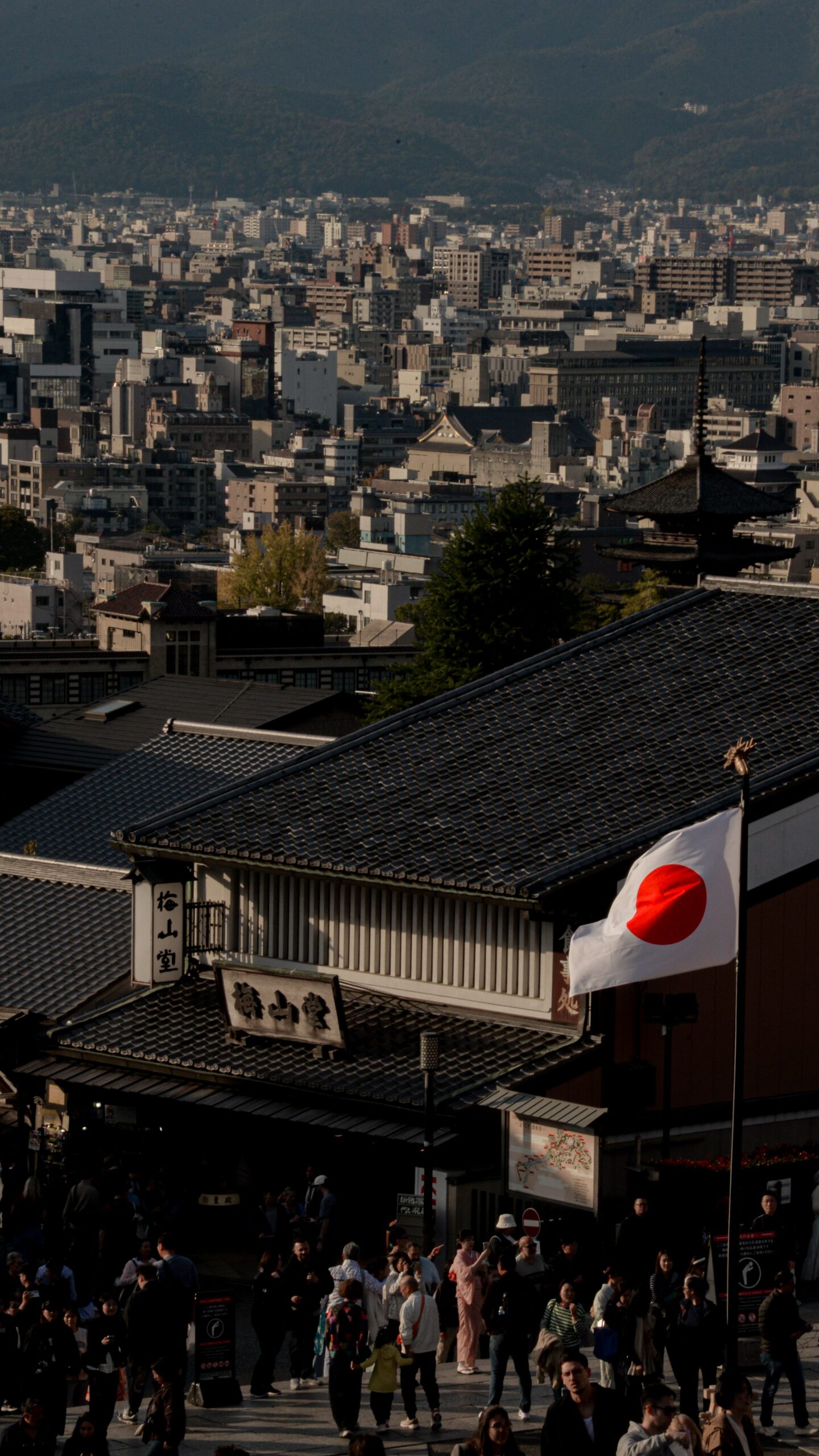
Morning: Take the Shinkansen to Kyoto (a scenic ride). Afternoon: Visit the stunning Kinkaku-ji (Golden Pavilion) and then head over to Ryoan-ji for its Zen rock garden. Evening: Experience a traditional tea ceremony in Gion.
Day 5: Temples and Nature in Kyoto
Morning: Begin at Fushimi Inari Taisha, famous for its thousand vermilion torii gates. Afternoon: Cycle along the babbling streams in the Arashiyama district, visiting the Bamboo Grove. Evening: Dinner at a kaiseki restaurant to delve into Kyoto’s culinary artistry.
Day 6: Nara Day Trip
Morning: A short train ride to Nara Park, visit Todai-ji to see the Great Buddha. Afternoon: Interact with friendly deer roaming the park freely. Enjoy a leisurely walk around Naramachi, the old merchant district. Evening: Return to Kyoto.
Day 7: Osaka Adventure
Morning: Transfer to Osaka; visit Osaka Castle and its serene gardens. Afternoon: Explore the vibrant Dotonbori area, a hotspot for street food. Evening: Savor local specialties and enjoy the nightlife near the river.
Day 8: Hiroshima
Morning: Early Shinkansen ride to Hiroshima. Visit the Peace Memorial Park and Museum. Afternoon: Spend time at the Atomic Bomb Dome and view the surrounding gardens. Evening: Dine on Hiroshima-style okonomiyaki, a unique twist on the classic.
Day 9: Island Escape to Miyajima
Morning: Take the ferry to Miyajima Island to see the floating Torii gate close up. Afternoon: Hike up Mount Misen for panoramic views. Relish the peaceful ambiance before heading back. Evening: Return to Hiroshima and enjoy the waterfront.
Day 10: Final Day in Tokyo
Morning: Back to Tokyo via Shinkansen. Afternoon: Last-minute shopping in Harajuku or Ginza for unique souvenirs. Evening: Head to the airport for departure; reflect on a trip rich with unforgettable experiences.
Navigating Japan’s Rail System Like a Pro
Familiarize yourself with the Japan Rail (JR) system, which is user-friendly. Invest in a Japan Rail Pass for unlimited travel on JR trains. Understand train etiquette, such as no talking on mobile phones and keeping quiet in designated areas. Schedule your travels during off-peak hours to avoid heavy crowds.
Cultural Etiquette: Dos and Don’ts
Respect local customs by bowing as a greeting and removing shoes when entering homes or traditional inns. Tipping is not common and can be viewed as disrespectful. Familiarize yourself with dining etiquette, such as using chopsticks properly and not sticking them upright in your rice.
Best Neighborhoods to Discover in Tokyo
Explore diverse neighborhoods like Shibuya with its vibrant youth culture, the traditional charm of Yanaka, and upscale shopping in Ginza. Each area possesses a unique character, so plan your days to enjoy the local flavors, architecture, and shops tailored to your interests.
FAQs
What are Japan’s natural disaster precautions?
Japan is prone to earthquakes and typhoons. Familiarize yourself with local emergency procedures and download essential apps for safety tips.
How can I budget for food in Japan?
Daily food expenses can vary; casual meals can be as low as $8-12, while dining at restaurants may range from $20-50 per person. Enjoying street food can also offer inexpensive yet delicious options.
What’s the best way to avoid crowds at major attractions?
Visit popular spots during early mornings or late afternoons. Weekdays tend to be less crowded than weekends. Consider visiting lesser-known alternatives nearby.
What is the weather like in Japan during the spring?
Spring (March-May) is mild and comfortable, with average temperatures around 15-20°C (59-68°F). Cherry blossoms bloom typically in late March to early April, creating picturesque scenes.
How should I handle cash and credit in Japan?
Japan is still primarily cash-based. Carry yen for small purchases, while credit cards are accepted in major cities and establishments. ATMs at convenience stores generally accept foreign cards.
Are there any specific public transport rules?
During rush hours, let passengers exit before entering trains. Eating or drinking on most trains is discouraged, maintaining a clean and respectful environment.
Conclusion
A trip to Japan is a transformative experience, where every corner holds a story waiting to be unraveled. From dazzling cities to serene temples, the cultural depth you’ll encounter is immense, making it a destination worth visiting again and again.
With these 25 Essential Japan Travel Tips Every First-Time Visitor Needs to Know Before Booking, you are now equipped to embark on a breathtaking journey. So pack your bags, and let Japan awaken your wanderlust.
Travel Guide Quick Facts
🗺️ Quick Facts: 25 Essential Japan Travel Tips Every First-Time Visitor Needs to Know Before Booking
Embark on an unforgettable journey through Japan with our essential travel tips, tailored for first-time visitors. Explore cultural nuances, must-see landmarks, and much more to ensure a seamless trip filled with enriching experiences.
- Tokyo Tower
- Kyoto’s Temples
- Hiroshima Peace Memorial Park
- Nara Park
- Osaka Food Scene
Practical Travel & Packing Notes
Practical packing reminder: carry a lightweight daypack, comfortable walking footwear with good arch support, and a universal travel adapter for all electronics.
Always double-check seasonal opening hours, local holidays, and ticket reservation slots before planning your daily museum visits.
To experience authentic local hospitality and regional flavors, step two or three streets away from major tourist hubs when picking breakfast spots or evening cafes.